MELANCOLIA EM ANTÓNIO DACOSTA, COMO REFLEXO DE UM MODO DE SER E DE ESTAR AÇORIANO
DOI:
https://doi.org/10.33871/sensorium.2024.11.9156Palabras clave:
Spleen, Torpor, Bruma, Dacosta, MelancoliaResumen
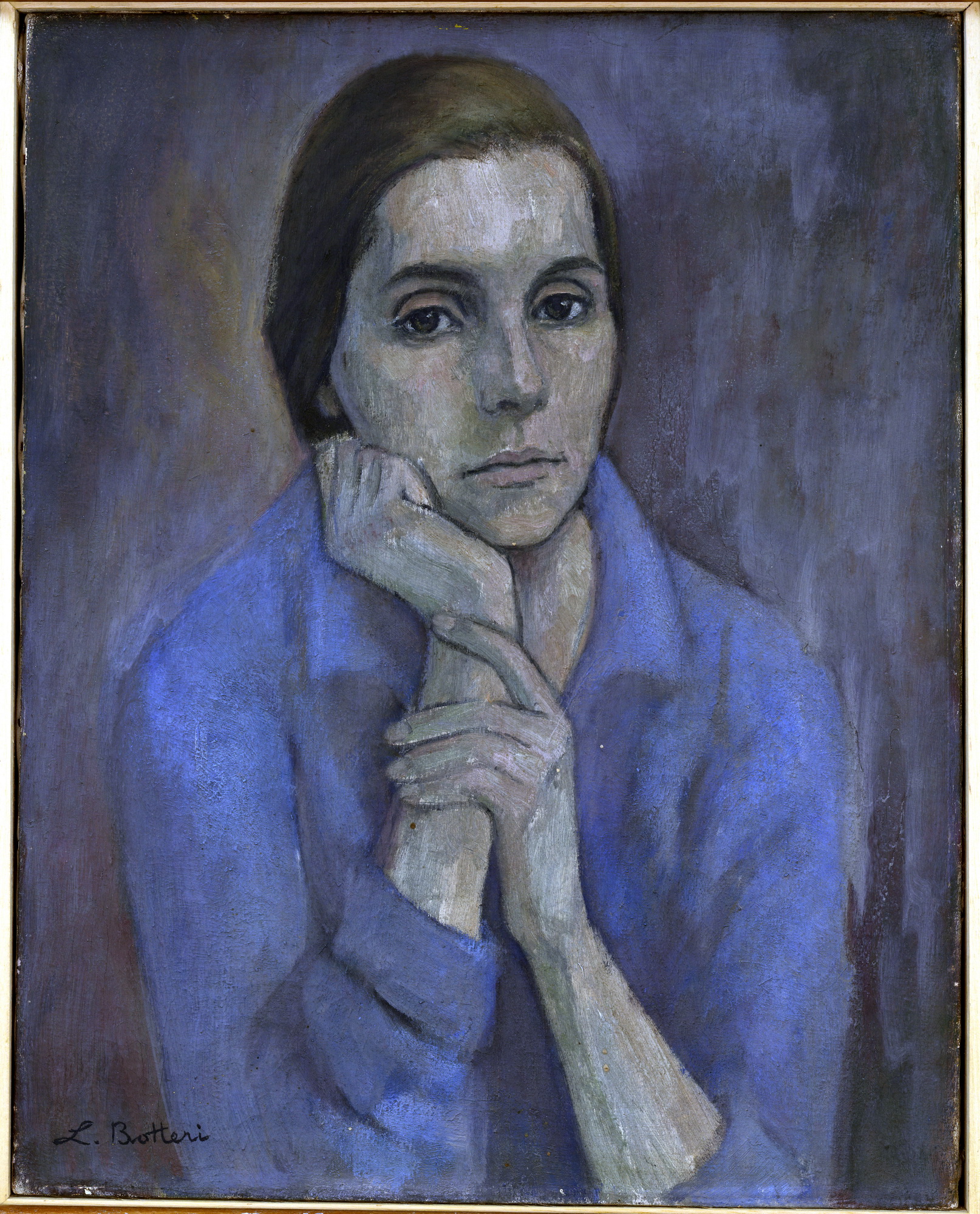
Aunque el sentimiento de melancolía es universal y acompaña a la humanidad, desde el momento en que el hombre tiene la capacidad de pensar en la vida y en la muerte, este sentimiento no puede desconectarse en modo alguno del clima y la geografía en la que el individuo está inserto. De hecho, Vitorino Nemésio marca la pauta cuando dice que somos un poco de historia además de geografía. En este sentido, la melancolía se configura como una forma ambigua de ser que parte del mundo interior del individuo y del mundo exterior influyendo e interconectándose entre sí. Su expresión se evidencia a través de un estado de ánimo desolado, un malestar que el individuo quiere desterrar. Incluso en esta contradicción de existencia y al mismo tiempo de exclusión, la melancolía también se configura como experiencia e incluso como modo de ser y ser. En el caso que pretendemos analizar, se relaciona con la obra de António Dacosta y con una pintura concreta cuyo título Melancolía, nos remite a esta reflexión del clima, de la geografia y los elementos externos del espacio y el tiempo, influenciadores de una forma de ser y de ser, más o menos exacerbada, pero siempre en estados intermedios de melancolía. Este artículo se desarrolla desde un contexto geográfico insular, hasta un ejemplo particular. La conclusión a la que llegamos es que el clima está influyendo fuertemente en un estado de ánimo y, por lo tanto, la contribución de este estudio al tema en cuestión se debe a la pregunta de si el clima y la geografía insular de las Azores son aliados del sentimiento de melancolía en los actores creativos.
Descargas
Citas
ALMEIDA, Onésimo Teotónio. (2011). Açores, Açorianos, Açorianidade, um espaço cultural,Instituto Açoriano de Cultura.
CANDEIAS, Marcolino. (2021). Como quem vai ao horizonte. Poesia reunida de MarcolinoCandeias. Coordenação Dinis Borges, Instituto Açoriano de Cultura.
DACOSTA, António. (1943), Revista Variante.
FÉLIX, Emanuel, in «António Dacosta, Esboço de um roteiro sentimental», Separata da revistaAtlântida. Comunicação proferida na sessão solene de homenagem ao Pintor António Dacosta,dezembro de 1987, aquando da realização da 2.ª Bienal de Arte dos Açores e do Atlântico.
FREITAS, Vamberto. (2013). O imaginário dos escritores açorianos, Letras Lavadas, NovaGráfica.
MELO, Assunção. (2014). António Dacosta, A Clarividência da Saudade, Secretaria Regional deEducação e Cultura.
MESQUITA, Roberto. (1983). Almas Cativas e Poemas Dispersos, Secretaria Regional deEducação e Cultura.
ROSMANINHO, Nuno. (2018). A Deriva Nacional da Arte, Portugal, séculos XIX–XXI, EdiçõesHumus, outubro.
Descargas
Publicado
Versiones
- 2025-05-29 (3)
- 2024-06-27 (2)
- 2024-06-26 (1)
Número
Sección
Licencia
Derechos de autor 2024 Revista Internacional Interdisciplinaria de Artes Visuales - Art&Sensorium

Esta obra está bajo una licencia Creative Commons Reconocimiento 3.0 Unported.
Autores que publicam nesta revista concordam com os seguintes termos:- Autores mantém os direitos autorais e concedem à revista o direito de primeira publicação, com o trabalho simultaneamente licenciado sob a Licença Creative Commons Attribution que permite o compartilhamento do trabalho com reconhecimento da autoria e publicação inicial nesta revista.
- Autores têm autorização para assumir contratos adicionais separadamente, para distribuição não-exclusiva da versão do trabalho publicada nesta revista (ex.: publicar em repositório institucional ou como capítulo de livro), com reconhecimento de autoria e publicação inicial nesta revista.
- Autores têm permissão e são estimulados a publicar e distribuir seu trabalho online (ex.: em repositórios institucionais ou na sua página pessoal) a qualquer ponto antes ou durante o processo editorial, já que isso pode gerar alterações produtivas, bem como aumentar o impacto e a citação do trabalho publicado (Veja O Efeito do Acesso Livre).